
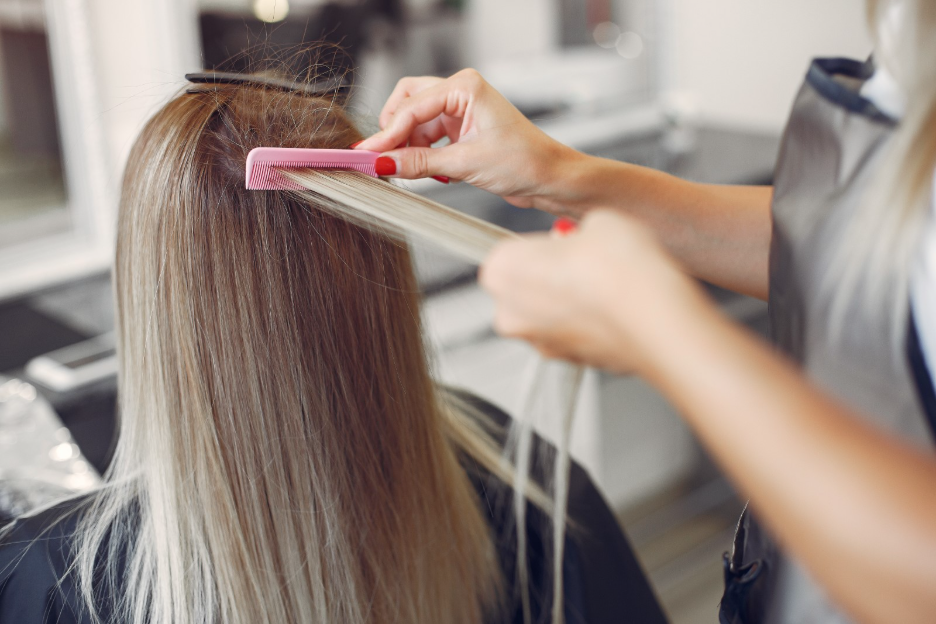
Hair extensions can completely change the way your hair looks and feels, but they also need consistent care to stay in good condition. This becomes even more important in a city like San Antonio, where heat and humidity are part of everyday life. If you are searching for how to maintain hair extensions San Antonio style and weather conditions, it is important to understand that your routine will directly affect how long your extensions last and how natural they look.
In warm and humid environments, extensions are exposed to moisture in the air, sweat, and temperature changes. This can lead to frizz, tangling, and dryness if they are not properly maintained. Whether you use permanent extensions or clip in hair extensions, your daily habits will decide how well they perform over time.
How San Antonio Weather Affects Hair Extensions
The climate in San Antonio is known for its combination of high heat and humidity, especially during long summer months. This type of weather can be challenging for both natural hair and extensions because it changes how hair absorbs moisture.
When humidity levels rise, the hair cuticle tends to swell, which can make extensions appear frizzy or uneven. On the other hand, constant exposure to heat can slowly dry out the strands, making them look dull and less manageable. For people wearing hair extensions in San Antonio, this combination requires a balanced care routine that focuses on both hydration and protection.
Even small changes in weather can affect how your extensions behave. That is why consistent maintenance is more important than occasional deep care.
Choosing Extensions That Suit the Climate
Selecting the right type of extensions plays a big role in how easy they are to maintain in humid conditions. Human hair extensions are usually preferred because they respond better to environmental changes. They can be styled more easily and tend to blend more naturally with your own hair, even when the weather is not ideal.
Synthetic extensions, on the other hand, may struggle in humidity. They often do not adjust well to moisture in the air, which can lead to stiffness or frizz that is difficult to control.
Many clients in San Antonio choose tape-ins or sew-in methods for longer wear, while others prefer clip in hair extensions for flexibility. Each type has its own care requirements, but all of them need protection from heat and humidity to maintain their appearance.
Daily Care Routine for Healthy Extensions
A proper daily routine is one of the most important parts of extension maintenance. In a humid city like San Antonio, skipping basic care steps can quickly affect the look and feel of your hair.
Brushing should always be done gently, preferably using a wide-tooth comb or a brush designed specifically for extensions. It is better to start from the ends and slowly move upward to avoid unnecessary pulling. Brushing too harshly or starting from the roots can loosen the bonds and create tangles that are harder to manage later.
Frizz control is another key part of daily care. Humidity often causes the hair to expand, so using lightweight products can help keep it smooth. It is best to avoid heavy creams or oils near the roots because they can weigh down the extensions and make them look greasy instead of healthy.
At night, protecting your hair is just as important as daytime care. Sleeping with loose hair can lead to tangling, especially in humid conditions. Many people find that loosely braiding their hair or tying it into a soft ponytail helps reduce friction while sleeping. A silk pillowcase can also make a noticeable difference in keeping extensions smooth.
Washing Hair Extensions the Right Way
Washing is another area where many people make mistakes without realizing it. Extensions do not need to be washed as frequently as natural hair, and over-washing can actually shorten their lifespan.
In most cases, washing two to three times a week is enough, depending on your lifestyle. If you use styling products regularly or spend time outdoors in heat, you may need to adjust slightly, but the key is to avoid over-cleansing.
When washing, it is important to use a gentle, sulfate-free shampoo. Harsh products can strip moisture from both your natural hair and the extensions. The washing motion should also be soft and downward, rather than rough scrubbing. This helps maintain the structure of the extensions and prevents unnecessary tangling.
Conditioner should only be applied to the mid-lengths and ends, not near the roots or attachment points. This helps keep the bonds secure while still maintaining softness and shine throughout the hair.
Drying is equally important. Leaving extensions wet in humid air can lead to frizz and mildew buildup. It is better to gently towel dry the hair and then use a blow dryer on a low heat setting if needed. Ensuring the roots and attachment areas are completely dry helps maintain the integrity of the extensions.
Styling Hair Extensions in Heat and Humidity
Styling in San Antonio’s climate can be challenging, but with the right approach, it is still easy to achieve a smooth and polished look. Heat styling tools like straighteners and curling irons can be used, but they should always be applied with care.
Using a heat protectant spray before styling is essential because it creates a barrier between the hair and the heat. Without this step, extensions can become dry and brittle over time. It is also better to use medium or low heat settings instead of high temperatures, especially for frequent styling.
Humidity often causes hairstyles to lose shape quickly, so lightweight styling products work better than heavy gels or waxes. These lighter formulas help control frizz without weighing the hair down or creating buildup.
Long-Term Maintenance and Salon Care
Even with a good at-home routine, professional maintenance is still important for keeping extensions in the best condition. Visiting a salon in San Antonio at regular intervals allows professionals to adjust, reposition, or check the health of your extensions.
Over time, natural hair growth can affect how extensions sit, and humidity can sometimes cause minor shifting or tangling. Regular check-ups help prevent these issues from becoming serious problems.
Long-term care also includes being mindful of daily habits. Activities like swimming, heavy workouts, or prolonged sun exposure can impact extensions if they are not protected properly. Simple adjustments, like tying hair back during exercise or rinsing after swimming, can make a significant difference.
Common Mistakes to Avoid
Many extension issues are caused by simple care mistakes that often go unnoticed in daily routines. Rough brushing, product buildup, or improper washing can slowly weaken the extensions over time. With consistent and gentle care, most of these problems can be easily avoided.
Avoid the following:
- Sleeping with loose wet hair
- Using harsh shampoos with sulfates or alcohol
- Brushing aggressively from the roots
- Ignoring professional maintenance appointments
These habits can shorten the lifespan of even high-quality extensions.
Final Thoughts
Caring for hair extensions in San Antonio requires a balance between protection, hydration, and consistent maintenance. The heat and humidity in the region make it even more important to follow the right routine, whether you are using permanent extensions or clip in hair extensions at Alta Moda Salon in San Antonio.
With the right care habits, it is possible to maintain smooth, natural-looking extensions that blend well and last longer. Understanding how to maintain hair extensions San Antonio conditions demand will help you get the most value and comfort from your investment while keeping your style consistent and manageable.
Frequently Asked Questions (FAQs)
How to maintain hair extensions San Antonio in humid weather?
The best approach is to keep a consistent routine that includes gentle brushing, lightweight products, and proper nighttime protection. Humidity control products can also help reduce frizz.
Do hair extensions get damaged in heat and humidity?
Yes, without proper care, heat and humidity can cause frizz, dryness, and tangling. However, with regular maintenance, the impact can be minimized significantly.
What is the best extension type for San Antonio weather?
Human hair extensions are generally the best option because they respond better to heat and humidity compared to synthetic alternatives.
How often should I wash my extensions?
Most extensions should be washed about two to three times per week, depending on product use and lifestyle.
Can I use heat tools on hair extensions?
Yes, but always use a heat protectant and keep the temperature on a medium or low setting to avoid damage.